Breathing Life into the Phoenix The Craft and Passion of Edo Metal Engraving
Master Artisan of Metal Engraving and Polishing
Prologue
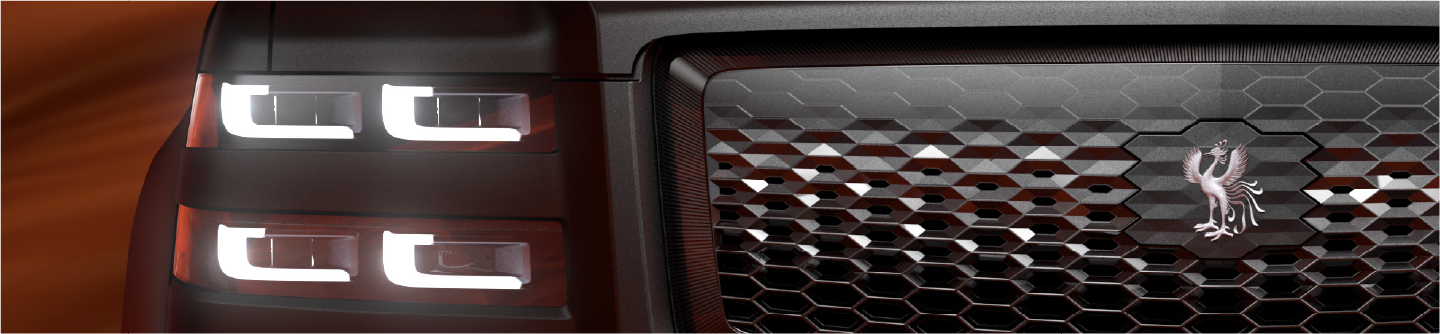
As a symbol of Century, the phoenix emblem adorns the front grille,
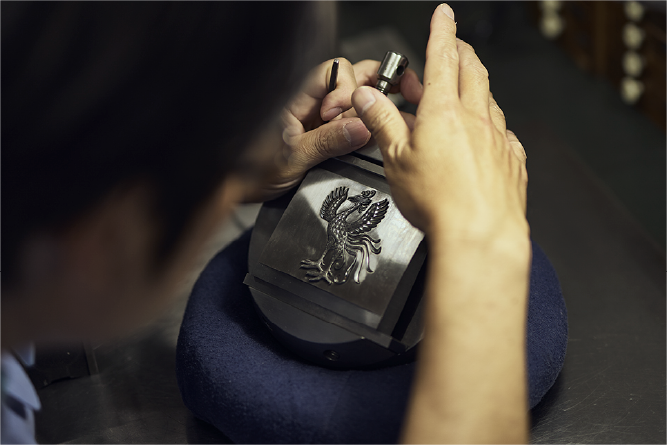
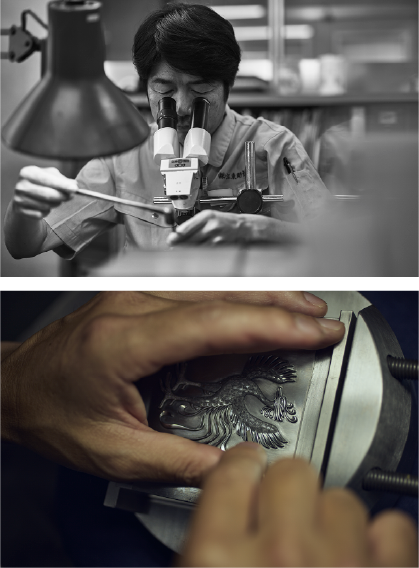
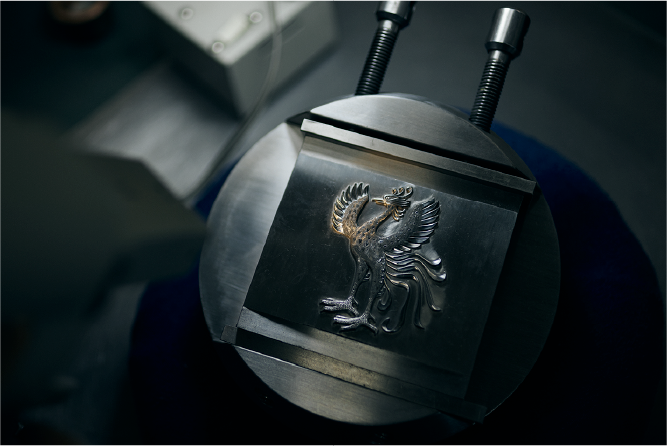
rear door panels, and wheel centers. The molds used to create it embody traditional Edo metal-engraving techniques that have been passed down for centuries. Working under a microscope, a master engraver and polisher carves light into metal in a world measured in just 0.01 millimeters. In an age when machine processing is at its peak, why is handcrafted work still sought after? We explore the quiet pride embodied in the craftsmanship of a master who continues to pursue refinement.
Chapter 1 Creating the One of One Through Machine and Hand
Why are the skills of a master artisan still sought after in an age when machine processing is at its peak? The answer lies not only in the ability to engrave delicate patterns. It is revealed throughout the entire process of crafting the emblem’s mold.
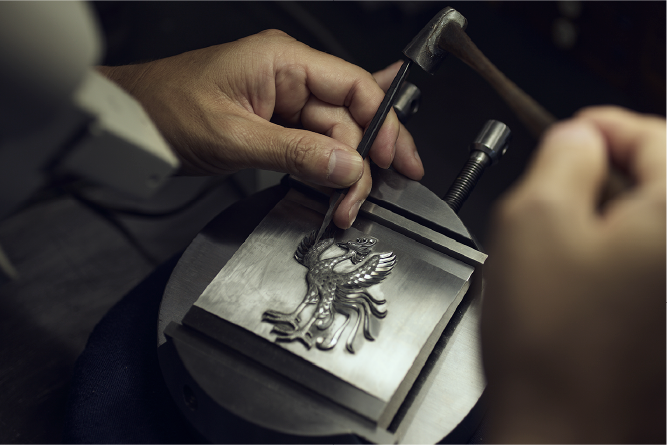
Production begins with machines carving the mold’s base form. However, rotating cutting tools inevitably leave subtle variations on surfaces and edges. Eliminating these irregularities and precisely defining sharp angles—known as kado-dashi (edge definition)—requires the skilled hands of an artisan, working with chisel and hammer. Even in the polishing process that follows, handwork remains indispensable, reaching areas and edges beyond the capabilities of machines. The work continues until the reflection of a single fluorescent light appears perfectly undistorted on the surface. Achieving this level demands years of dedicated refinement.
Machines shape the form. Human hands breathe life into it. It is a moment when the spirit of Century’s monozukuri and the artisan’s quiet pride come beautifully together.
Chapter 2 Evolving Toward a Contemporary Expression of Beauty Carrying Forward the Spirit of the Emblem
Entrusted with crafting the emblem for the third-generation Century, the artisan approached the task with a sense of responsibility befitting a symbol of the nation. The Century carries distinguished guests from Japan and around the world. In this sense, it stands as a symbol of Japan.
Standing before the emblem of the previous generation, the artisan was guided by a clear aspiration: to carry forward the spirit of the phoenix while evolving it toward a contemporary expression of beauty. By arranging heart-shaped scale patterns along the body lines, the aim was to render the once irregular plumage with greater grace and refinement.
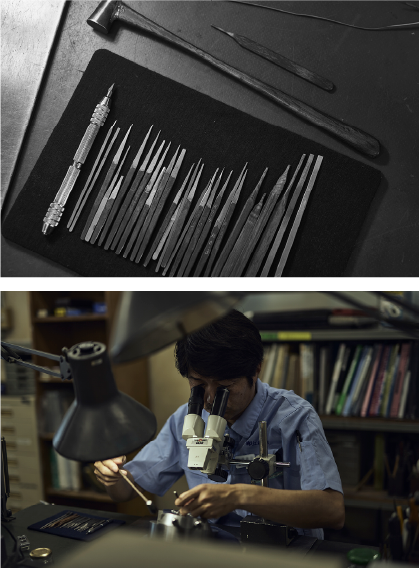
In pursuing this vision, particular emphasis was placed on the marking process known as kegaki. Today, few artisans remain who practice this craft. As one artisan reflects, “This is the step that defines the final outcome.” More than ten types of chisels were specially prepared, with approximately thirty tools used in total. The markings were repeatedly redrawn before carving, and by the time the work was completed, nearly a month and a half had passed. Tradition is not simply about preserving form. It is through the willingness to keep challenging oneself that true brilliance endures. With chisel and hammer in hand, the artisan brought this conviction to life.
Chapter 3 Creating Nothing That Is Ever the Same New Light Carved into the Phoenix
As praise gathered for the newly transformed phoenix, the artisan’s thoughts were already turning toward the next emblem. With the introduction of the Century SUV, changes in the vehicle’s proportions called for a new way of depicting the phoenix.
From the thickness of each feather to the placement of every pattern, what mattered most was light.
No matter how precisely the mold was engraved, its brilliance would inevitably soften beneath the plating layer. To address this, the artisan began from the final finish, seeking ways to “carve light” itself.
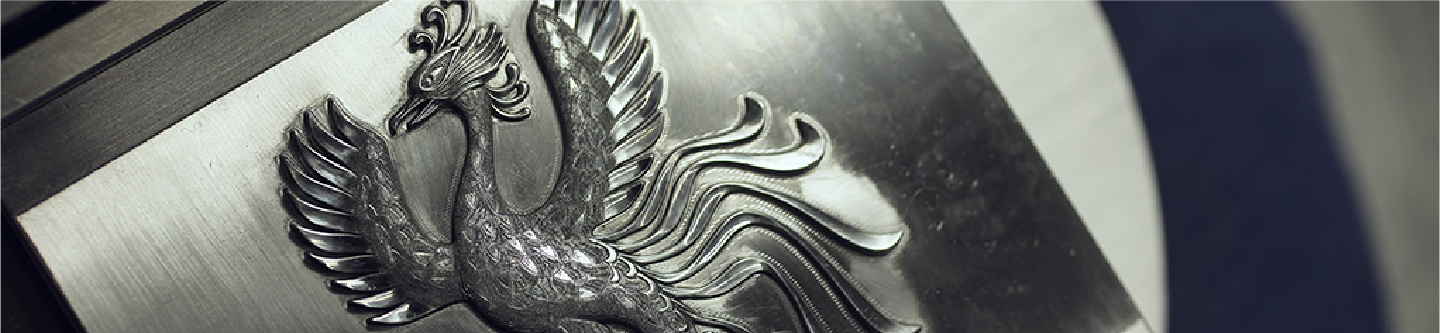
One such innovation lay in how the heart-shaped scale pattern reflects light. By reducing the angle at which the chisel enters the metal, the reflective surface was broadened, minimizing the effect of plating. At the phoenix’s tail, rather than simply carving, the artisan employed a technique that scoops into the surface, allowing light to gather across gentle curves and reveal beautifully defined highlights.
Even what appears to be perfection can still evolve. “So long as there remains the determination to reach higher, nothing can ever be truly the same.” Behind these words, the next challenge may already have begun.
Chapter 4 Toward the Next Hundred Years Depth of Thought Nurtures Japan
“There is a quiet confidence in the way the emblem comes together, a confidence that yields to no one,” the artisan says, his words calm yet resolute. To become One of One is not about surpassing others. It is a solitary pursuit, a continual dialogue with oneself. The source of this confidence lies in a constant desire to keep improving, even if only little by little.
How can beauty be made to shine? How can true grace be brought forth? In the end, those who think through these questions fully are the ones who find their answer. For this reason, the artisan is committed to nurturing the next generation, encouraging them to take time and engage fully with both their hands and their minds. Looking back across the years, this is how Japan’s technological heritage has been carried forward. When individuals devoted to becoming One of One come together, a true culture of one-of-one monozukuri begins to take shape. The pride refined through deep thought becomes a guiding light for the next hundred years.